
THE VORTEX CROSSING
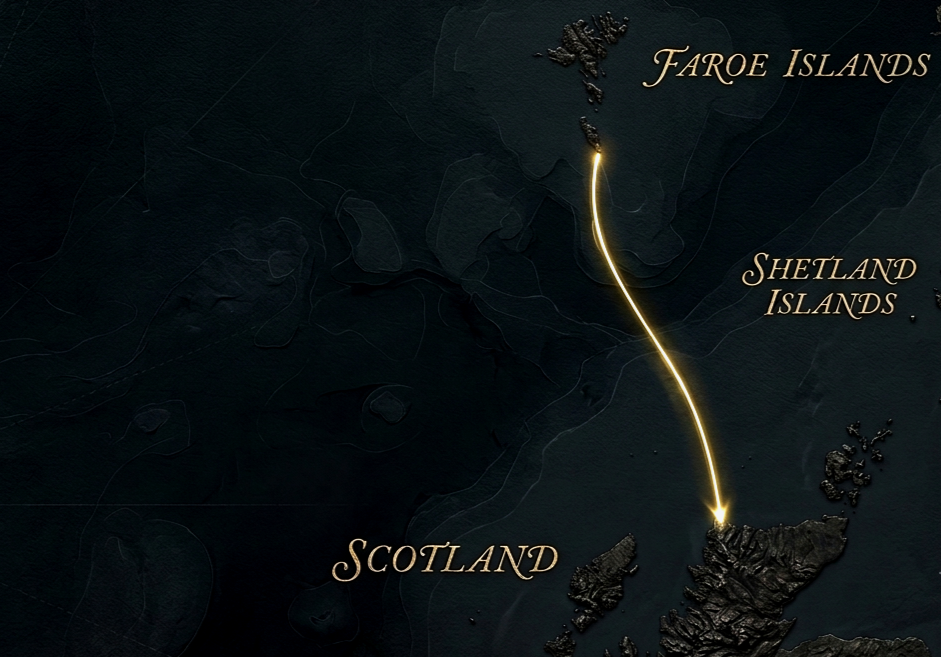
ROUTE: Suðuroy to Thurso
DISTANCE: 200+ NM
DURATION: 70–90 hours non-stop
CRAFT: Paddleboard
FORMAT: Solo, unsupported, continuous
KEY MILESTONES: first solo crossing
SCIENTIFIC MISSION: oceanographic data
THE ROUTE
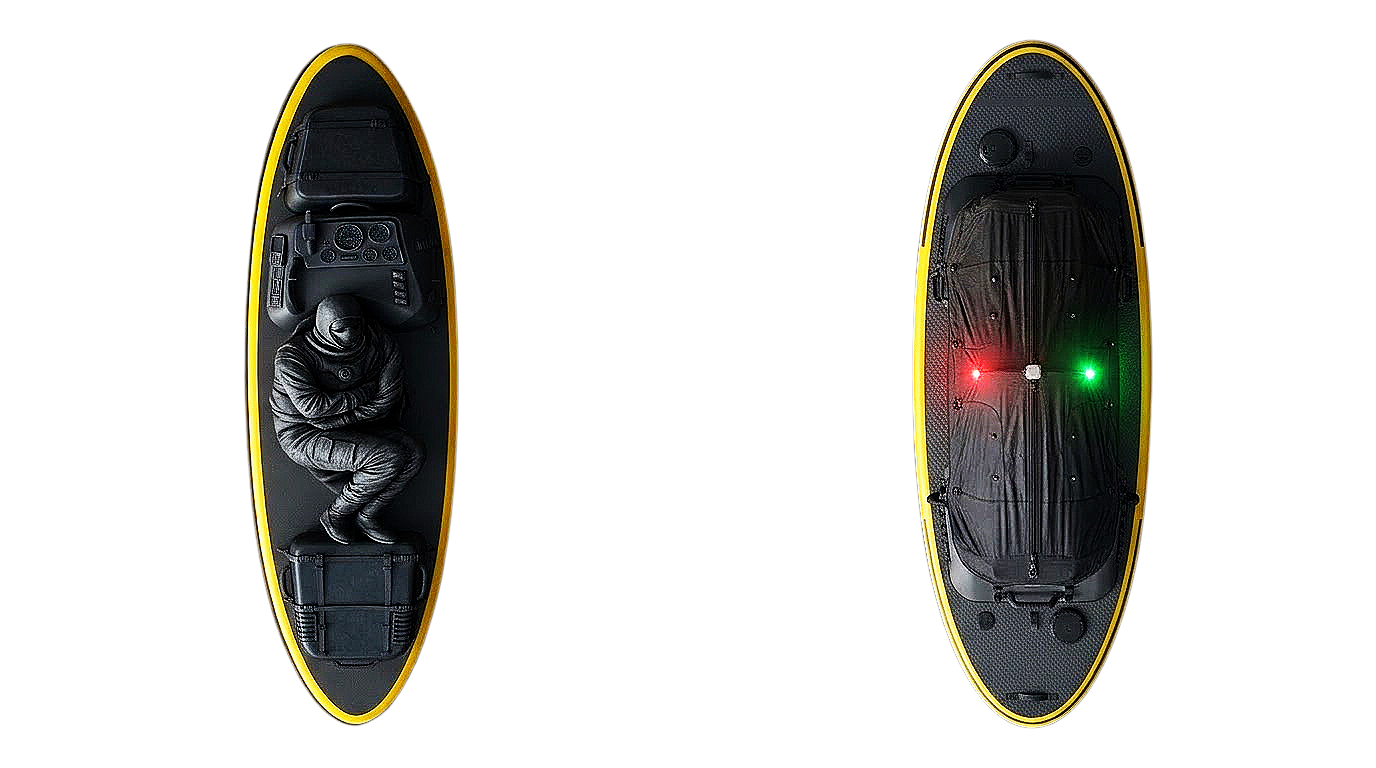
The route covers over 200 nautical miles across the Faroe-Shetland Channel between the Faroe Islands and Scotland. It is an exposed, isolated stretch of open water where weather fronts move fast and conditions rarely settle for very long.
Only a few people have ever made the crossing under human power. Faroese rower Ove Joensen made it across solo to Shetland, Patrick Winterton and Mick Berwick paddled kayaks out to the Faroes, and Olly Hicks and George Bullard completed their journey via a stop on North Rona. The goal this time is to reach the Scottish mainland directly.
FILM
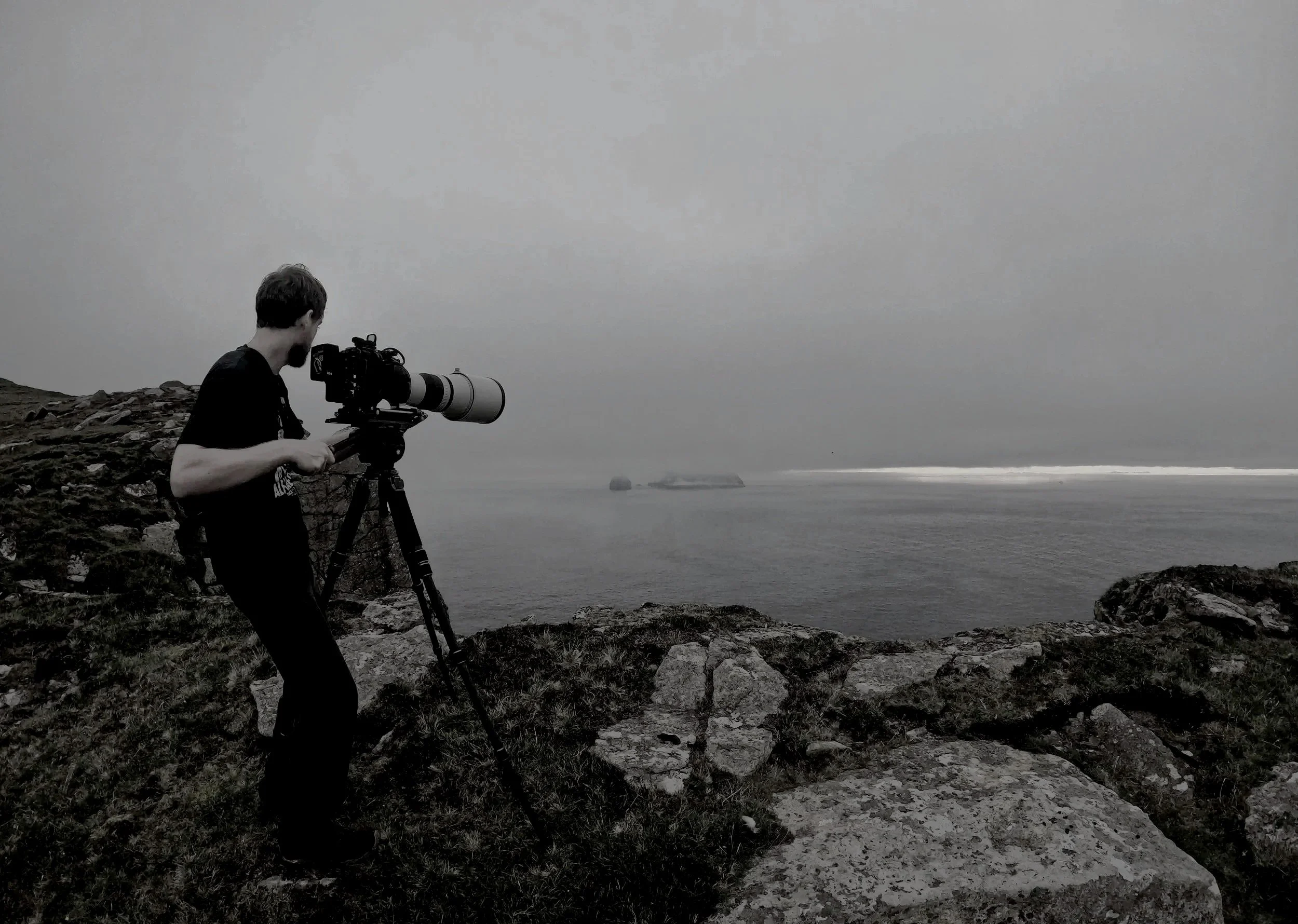
We are producing an independent documentary capturing the full scope of The Vortex Crossing— supporting citizan science, with development and scientific sensor integration to dedicated onshore camera crews tracking the start in the Faroe Islands and the arrival in Scotland. To cover camera crew travel, offshore filming equipment, and post-production, we are raising funds directly through our campaign page. If you'd like to back the film and help bring this expedition to the screen, you can support the project below.
HOW?
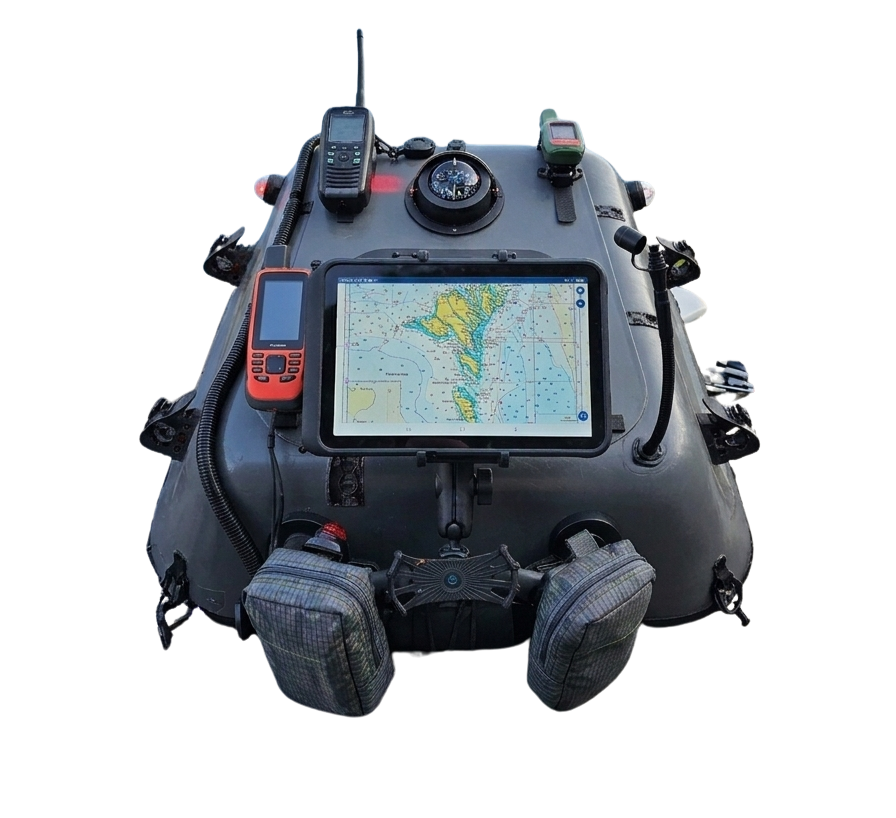
Facing potentially four-plus days at sea i rely on custom hardware developed like the Gear Cabin. An integrated battery system and Starlink link supply continuous power for navigation instruments and scientific apparatus, while enabling real-time weather routing, live communications, and streaming direct broadcasts and footage straight from the crossing.